

 English
  Español
 Content
- 1 1. Introduction to Textile Finishing in Commercial Manufacturing
- 2 2. Fundamental Classification: Mechanical Finishing vs Chemical Finishing
- 3 3. Primary Mechanical Finishing Techniques and Equipment
- 4 4. Major Chemical Finishing Processes and Functional Applications
- 5 5. Pre-Finishing Preparations and Wet Processing Integration
- 6 6. Industrial Applications Across Diverse Textile Sectors
- 7 7. Environmental, Sustainability, and Eco-Friendly Finishing Trends
- 8 8. Technical Quality Control, Testing Standards, and Specifications
1. Introduction to Textile Finishing in Commercial Manufacturing
Textile finishing encompasses the final sequence of physical, mechanical, and chemical operations applied to woven, knitted, or non-woven fabrics after weaving or knitting and primary processing operations such as bleaching or dyeing. In industrial textile manufacturing, raw fabrics coming directly off the loom or knitting machine—commonly designated as greige or gray goods—exhibit irregular surfaces, uneven width dimensions, harsh tactile properties, and poor dimensional stability. Greige fabrics are generally unsuitable for immediate conversion into finished commercial products such as apparel, home textiles, protective workwear, or technical fabrics. Textile finishing acts as the critical bridge connecting basic textile substrate formation with high-value functional application.
The primary objective of textile finishing is to transform untreated raw substrates into commercially viable materials tailored to specific end-use requirements. Through targeted physical manipulation and chemical alteration, finishing processes modify surface texture, hand feel, structural stability, visual appearance, and performance attributes. These modifications ensure that fabrics meet strict international standards for tensile strength, tear resistance, colorfastness, flammability, water repellency, and dimensional shrinkage. For global wholesalers, garment manufacturers, and industrial procurement buyers, understanding textile finishing is essential for evaluating fabric performance, specifying technical parameters, and selecting appropriate material grades for high-performance end applications.
In modern industrial textile processing, finishing is classified into two main operational categories: mechanical finishing, also referred to as physical or dry finishing, and chemical finishing, frequently termed wet or functional finishing. Mechanical finishing relies on physical force, temperature, pressure, moisture, and friction to alter the surface geometry and tactile feel of the fabric without permanently changing its chemical structure. Chemical finishing involves applying specialized chemical agents, polymers, or functional resins to the fiber matrix to impart permanent or semi-permanent functional characteristics that cannot be achieved through mechanical force alone.
2. Fundamental Classification: Mechanical Finishing vs Chemical Finishing
The structural differentiation between mechanical and chemical finishing lies in the primary mechanism of action applied to the textile substrate. Mechanical finishing uses thermal energy, kinetic force, and mechanical pressure to realign fibers, smooth or roughen fabric surfaces, alter thickness, and stabilize fabric dimensions. Because mechanical finishing primarily relies on physical manipulation, many dry finishing effects are susceptible to gradual degradation during laundering unless reinforced by cross-linking chemical agents or synthetic fiber heat-setting techniques.
Chemical finishing introduces active chemical compounds into the micro-structure of the yarn and fiber matrix. These active agents interact with functional polymer groups within natural or synthetic fibers through covalent bonding, hydrogen bonding, cross-linking, or surface film formation. Chemical finishing imparts specific high-performance properties including fire retardancy, liquid repellency, antimicrobial protection, and crease resistance.
A comprehensive technical comparison highlights the core operational parameters, mechanisms, and durability profiles of these two primary finishing methodologies:
| Comparison Parameter | Mechanical Finishing (Dry Finishing) | Chemical Finishing (Wet Finishing) |
|---|---|---|
| Operational Classification | Physical manipulation altering fiber alignment, surface geometry, and fabric dimensions without chemical structure modification. | Chemical reaction, polymer cross-linking, or film deposition altering fiber micro-structure and chemical properties. |
| Primary Mechanisms & Forces | High-pressure rolling, frictional heat, mechanical tension, wire raising, and rubber-belt compression. | Covalent bonding, resin polymerization, silane coupling, and surface energy modification. |
| Key Equipment & Processing Units | Friction calenders, napping cylinders, shearing blades, stenter drying frames, and Sanforizing compressive units. | Foulard padding systems, stenter curing ovens, exhaust bath machinery, and micro-spray applicators. |
| Primary Performance Outcomes | Surface gloss, controlled pile height, softness, dimensional shrinkage stabilization, and uniform width. | Flame retardancy, hydrophobic water repellency, stain resistance, wrinkle recovery, and anti-microbial protection. |
| Durability & Laundering Resistance | Variable durability; temporary on un-set natural fibers, highly permanent on heat-set synthetic thermoplastics. | High to permanent durability; engineered to endure 50+ commercial washing cycles. |
3. Primary Mechanical Finishing Techniques and Equipment
Mechanical finishing encompasses a broad range of dry processing techniques designed to modify the tactile, aesthetic, and geometric characteristics of textile fabrics. In commercial fabric production, these operations are conducted on specialized continuous finishing lines operating at precise speed, tension, and temperature parameters.
Calendering is a fundamental mechanical process in which fabric passes under high tension between a series of heavy rollers operating under controlled heat and pressure. The primary purpose of calendering is to flatten surface yarns, reduce fabric porosity, enhance smoothness, and impart varying degrees of surface gloss or sheen. Standard friction calendering uses differential roller speeds to polish the fabric surface. Embossing calendering utilizes engraved metal rolls to press specific three-dimensional patterns onto thermoplastic synthetic fabrics. Swissing calendering utilizes smooth heated bowls to produce a soft, uniform luster across high-count woven cottons.
Napping, also known as raising or brushing, is a mechanical surface treatment used to create a soft, fibrous surface pile. The napping machine consists of a large revolving cylinder equipped with smaller wire-covered rollers. As the fabric passes over these rollers, fine wire hooks pull individual fiber ends out of the yarn structure, creating a uniform raised pile layer. Napping increases fabric thickness, enhances thermal insulation by trapping stationary air pockets within the pile, and significantly improves surface softness. This technique is extensively applied in the production of flannel, fleece, blankets, and sweatshirt fabrics.
Shearing is a precision cutting operation that follows napping or pile formation. The shearing machine operates much like a cylindrical lawnmower, using a rotating helical blade system positioned over a stationary ledger blade. Shearing trims loose fibers and ensures that the raised pile height is completely uniform across the entire width and length of the fabric roll. Precision shearing is critical for velvet, velour, and corduroy fabrics to achieve a smooth visual appearance and eliminate uneven surface irregularities.
Sanforizing, or controlled compressive shrinking, is a specialized mechanical finishing process designed to eliminate prospective fabric shrinkage during subsequent laundering. During weaving and wet processing, textile yarns are subjected to substantial longitudinal tension, causing structural stretching. If uncorrected, fabrics shrink significantly when exposed to water and thermal agitation during laundering. The Sanforizing process passes damp fabric over a heated cylinder while compressed against a thick rubber belt. As the rubber belt relaxes, it mechanically compresses the warp yarns closer together, preshrinking the fabric in a controlled manner. This process guarantees that woven cotton and denim fabrics maintain dimensional stability with residual shrinkage ratings below one percent.
Stenter frame drying and heat setting represents another essential physical operation in commercial finishing mills. A stenter, or tenter frame, is a continuous open-width drying machine that grips fabric selvages using mechanical pins or clips. The machine transports the fabric through long heated drying chambers under controlled warp and weft tension. For synthetic fibers such as polyester, nylon, and elastane, stenter heat setting exposes the fabric to temperatures near the polymer melting point (typically 180 to 210 degrees Celsius). This thermal exposure relieves internal polymer stresses, locks yarn configuration into place, and establishes permanent dimensional stability, crease resistance, and uniform width control.
The structural mechanisms and typical commercial fabric applications for standard mechanical finishing methods include:
| Mechanical Method | Process Mechanism | Target Substrates | Commercial Application |
|---|---|---|---|
| Friction & Swiss Calendering | Thermal flattening and surface yarn polishing between heated metallic and soft bowls under high nip pressure. | Woven cotton, rayon, and polyester blends. | High-density shirting, bed sheets, linings, and decorative chintz fabrics. |
| Wire Napping & Brushing | Mechanical wire teeth pulling individual micro-fibers from yarn bundles to form a raised fleece layer. | Cotton knits, woolens, and synthetic fleece. | Flannel shirts, thermal blankets, fleece outerwear, and fleece-lined sweatshirts. |
| Helical Blade Shearing | Precision cutting of surface pile fibers to an exact uniform height using revolving helical knives. | Woven velvets, velours, terry toweling, and tufted carpets. | Upholstery velvets, corduroy trousers, luxury bathrobes, and plush toys. |
| Sanforizing (Compressive Shrinking) | Thermal rubber-belt compression forcing warp yarns together to achieve controlled fabric shrinkage. | 100% woven cotton, linen, and denim fabrics. | Premium denim jeans, heavy workwear, and structural cotton uniforms. |
4. Major Chemical Finishing Processes and Functional Applications
Chemical finishing involves applying active formulations to impart specific protective, high-performance, or functional properties to textile materials. These chemical treatments allow manufacturers to tailor standard fabric constructions into high-value technical textiles suitable for demanding industrial, commercial, and protective applications.
Flame retardant finishing is a critical safety requirement for industrial protective clothing, hospitality upholstery, automotive interiors, and architectural drapes. Flame retardant chemicals operate through physical or chemical mechanisms to inhibit combustion, reduce heat release rates, and prevent flame propagation. Durable flame retardant finishes rely on organophosphorus compounds, halogenated polymers, or inorganic salts that covalently bond to cellulose or synthetic fibers. When exposed to high heat or open flame, these active compounds promote char formation, release non-combustible gases that dilute atmospheric oxygen surrounding the fabric, or absorb thermal energy through endothermic decomposition. Treated fabrics meet stringent global standards such as NFPA 701, ISO 11612, and BS 5852.
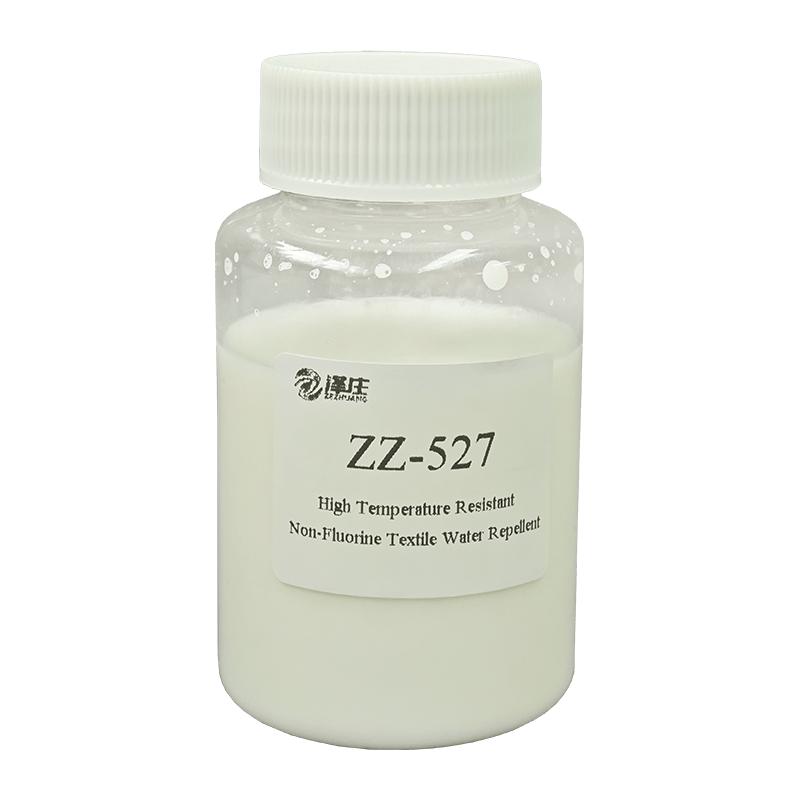
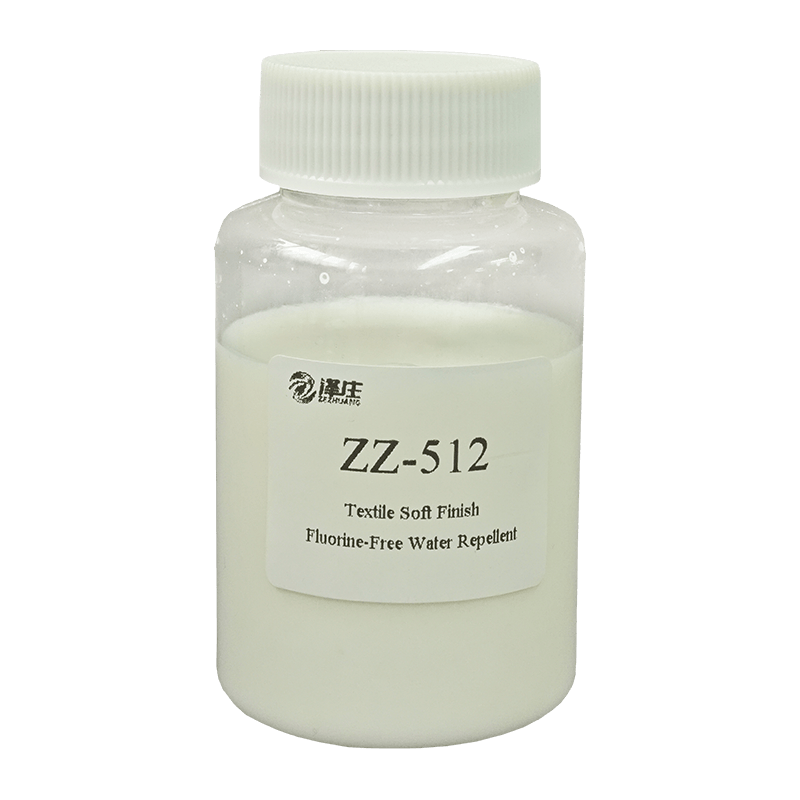
Water and oil repellent finishing transforms standard porous textiles into liquid-resistant barriers without compromising breathability. Traditional repellency treatments utilized fluorocarbon-based polymers (PFCs) that created an ultra-low surface energy barrier across individual fiber surfaces, causing water and oil droplets to bead up and roll off. Due to evolving environmental regulations, modern chemical finishing has shifted toward fluorine-free water repellents (PFC-free), including fluorine-free silicone emulsions, paraffin-wax formulations, and hyperbranched hydrophobic polymers. These eco-friendly chemical finishes provide excellent hydrostatic water resistance while maintaining fabric air permeability, making them ideal for outdoor sportswear, rainwear, and commercial umbrellas.
Durable press and crease resistant finishing addresses the inherent wrinkling tendency of natural cellulosic fibers such as cotton, linen, and viscose. Cellulosic fibers contain abundant hydroxyl groups that form weak hydrogen bonds. When cotton fabrics are bent or compressed during wear or laundering, these internal hydrogen bonds break and reform in slipped positions, creating visible wrinkles. Crease-resistant finishing utilizes monomeric cross-linking agents, such as dimethyloldihydroxyethyleneurea (DMDHEUA) or non-formaldehyde polycarboxylic acids, which penetrate the fiber amorphous regions and form covalent cross-links between adjacent cellulose chains. These permanent chemical cross-links act as molecular springs, preventing structural slippage and allowing the fabric to recover its flat shape after laundering.
Antimicrobial finishing prevents the growth of bacteria, fungi, algae, and mold on textile substrates. Microbial proliferation on fabrics leads to discoloration, structural fiber degradation, fabric rot, and foul odor generation through the metabolic breakdown of sweat. Commercial antimicrobial finishes employ silver ion complexes, quaternary ammonium compounds (silane quats), or zinc pyrithione. These active agents disrupt microbial cell membranes, inhibit cellular respiration, or prevent DNA replication. Antimicrobial finishes are standard for medical textiles, surgical gowns, bedding, activewear, and commercial carpeting, meeting standard testing protocols such as AATCC 100 and ISO 20743.
Anti-static and anti-pilling chemical finishes enhance synthetic fabric performance. Synthetic fibers like polyester and acrylic have low moisture regain, making them prone to static charge accumulation during mechanical rubbing. Anti-static agents consist of hydrophilic polymers that absorb ambient atmospheric moisture, creating a conductive surface layer that dissipates static charges. Anti-pilling finishes utilize specialized polyurethane or acrylate resins that bind loose surface fibers to the yarn core, preventing fiber entanglements that form visible surface pills during abrasion.
The active agents, mechanisms, and key performance metrics associated with major chemical finishes include:
| Chemical Finish Type | Active Chemical Formulations | Mechanism of Action | Primary Compliance Metrics |
|---|---|---|---|
| Durable Flame Retardant (FR) | Organophosphorus compounds, tetrakis(hydroxymethyl)phosphonium chloride (THPC), and polyphosphonates. | Promotes solid char formation and dilutes flammable combustion gases during thermal exposure. | NFPA 701 flame resistance, ISO 11612 protective clothing standard, char length under 100mm. |
| Fluorine-Free Water Repellent (DWR) | Hyperbranched hydrophobic polymers, paraffin-wax emulsions, and reactive silicone resins. | Lowers fiber surface energy to prevent water droplet wetting without sealing yarn pores. | AATCC 22 Spray Rating of 90-100, ISO 811 Hydrostatic Head test over 3000mm water column. |
| Durable Press / Crease Resistant | Dimethyloldihydroxyethyleneurea (DMDHEUA) and 1,2,3,4-butanetetracarboxylic acid (BTCA). | Forms covalent cross-links between cellulose hydroxyl chains in amorphous fiber regions. | AATCC 124 Smoothness Appearance rating 3.5+, AATCC 66 Wrinkle Recovery Angle (WRA) over 250 degrees. |
| Broad-Spectrum Antimicrobial | Silver ion zeolites, 3-(trimethoxysilyl)propyl-octadecyldimethylammonium chloride, zinc pyrithione. | Disrupts microbial cell walls and blocks respiration, preventing bacterial multiplication and odors. | AATCC 100 bacterial reduction rate over 99.9%, ISO 20743 antibacterial activity evaluation. |
5. Pre-Finishing Preparations and Wet Processing Integration
The success and permanence of any textile finishing operation depend heavily on the quality and thoroughness of pre-treatment operations. Raw greige fabrics contain natural impurities, lubricants, sizing agents, and physical contaminants that interfere with uniform mechanical action and chemical absorption. Pre-treatment prepares the fiber surface, opens up amorphous zones, and ensures consistent chemical affinity across the substrate.
Singeing is the initial pre-treatment step where fabric passes rapidly over an open gas flame or electric heating element at speeds exceeding one hundred meters per minute. Singeing burns away protruding loose fiber ends from the fabric surface without scorching the main body of the cloth. This produces a smooth, uniform surface that prevents pilling and ensures clean, crisp mechanical calendering or printing results.
Desizing removes sizing agents—such as starch, polyvinyl alcohol (PVA), or carboxymethyl cellulose (CMC)—that were applied to warp yarns prior to weaving to prevent yarn breakage. Enzymatic or oxidative desizing breaks down these water-insoluble sizes into soluble compounds that are washed away. If sizing agents remain on the fabric, they block the penetration of functional chemical finishes, leading to uneven finish performance and poor wash durability.
Scouring is an aggressive alkaline washing process using sodium hydroxide and specialized surfactants under elevated temperatures. Scouring emulsifies natural fats, waxes, pectin, seed coat fragments, and residual processing oils from the fiber matrix. By removing hydrophobic impurities, scouring dramatically increases fabric absorbency, ensuring that subsequent wet chemical finishing baths penetrate deep into the core of individual yarns.
Bleaching removes natural pigments and yellow color bodies from natural fibers using oxidative agents such as hydrogen peroxide or sodium hypochlorite. Bleaching yields a uniform white substrate essential for achieving vibrant pastel dyed shades or pure white finished fabrics.
Mercerization is a specialized alkaline treatment applied primarily to cotton yarn or woven fabric. The material is treated with a concentrated sodium hydroxide solution (20 to 25 percent concentration) under high mechanical tension, followed by thorough rinsing. Mercerization causes cotton fibers to swell laterally, changing their cross-sectional shape from a flat kidney beam to a smooth cylinder while converting cellulose I to cellulose II crystal structures. Mercerization permanently increases tensile strength, enhances color yield during dyeing, improves dimensional stability, and imparts a bright, silky luster that complements mechanical finishing.
The sequence of pre-treatment operations and their specific functional impact on raw textiles includes:
| Pre-Treatment Stage | Chemical / Physical Agents Used | Primary Target Impurities | Impact on Finishing Efficacy |
|---|---|---|---|
| 1. Gas Singeing | Open burner flame or radiant electric grid at high thermal speeds. | Protruding surface fibers, lint, and loose micro-fibrils. | Creates a completely smooth base surface, preventing pilling and uneven calendering. |
| 2. Enzymatic Desizing | Alpha-amylase enzymes, wetting agents, and warm water wash. | Starch warp sizing, PVA polymers, and CMC film coatings. | Restores fiber absorbency, ensuring unrestricted penetration of functional chemical finishes. |
| 3. Alkaline Scouring | Sodium hydroxide (NaOH), non-ionic surfactants, and chelating agents. | Natural cotton waxes, oils, pectins, proteins, and knitting lubricants. | Converts hydrophobic greige fabric into highly absorbent substrate required for wet finishing padding. |
| 4. Hydrogen Peroxide Bleaching | Hydrogen peroxide (H2O2), sodium silicate stabilizer, caustic soda. | Natural organic color pigments, seed coat fragments, and yellowing agents. | Delivers pure white ground fabric necessary for uniform shade dyeing and bright surface finishes. |
| 5. Caustic Mercerization | 20-25% concentrated Sodium Hydroxide (NaOH) under warp/weft tension. | Structural fiber lumen collapse and low-density amorphous zones. | Increases fiber strength by 20%, enhances dyestuff yield, and permanently improves silk-like sheen. |
6. Industrial Applications Across Diverse Textile Sectors
Textile finishing techniques are customized to meet the performance criteria, regulatory compliance standards, and durability requirements of specific commercial sectors.
Commercial Apparel Sector:
Finishing processes prioritize comfort, visual appeal, tactile aesthetics, and easy care. Casual wear and denim utilize mechanical stonewashing, enzymatic biopolishing, and Sanforizing to achieve soft hand feel and consistent sizing. Formal business shirting relies on durable press chemical cross-linking combined with Swissing calendering to maintain a crisp, wrinkle-free appearance throughout daily wear. High-performance activewear integrates anti-odor antimicrobial agents with hydrophilic moisture-wicking chemical finishes to transport perspiration away from the skin.
Home Textiles and Commercial Furnishings:
Finishing focuses on durability, stain management, visual aesthetics, and fire safety. Upholstery fabrics used in hospitality and corporate environments are treated with stain-repellent fluoro-free chemical coatings combined with heavy mechanical backing or calendering to enhance abrasion resistance. Bed linens undergo mercerization and micro-sanding mechanical finishing to deliver a soft touch coupled with long-term dimensional stability through repeated commercial laundering. Window draperies in public buildings must comply with fire codes and are systematically treated with durable flame retardants.
Technical and Industrial Textiles:
Functional performance outweighs visual aesthetics. Automotive interior fabrics—including seat covers, headliners, and door panels—undergo complex multi-functional chemical finishing to provide UV resistance, flame retardancy, low-VOC emission profiles, and anti-soiling characteristics. Protective workwear for industrial, military, and emergency service personnel utilizes heavy-duty chemical finishes including oil and water repellents, arc-flash thermal barriers, liquid chemical protection, and vector-repellent treatments. Geotextiles and architectural outdoor fabrics feature heavy anti-fungal, UV-stabilizing, and polymeric hydrophobic coatings designed to withstand continuous outdoor weathering for decades.
7. Environmental, Sustainability, and Eco-Friendly Finishing Trends
The textile finishing sector is undergoing a major transformation driven by environmental regulations, zero-discharge hazardous chemical mandates, and shifting consumer demand for sustainable manufacturing practices. Traditional wet chemical finishing operations historically consumed large quantities of fresh water, high thermal energy for drying and curing, and hazardous chemical formulations. Industrial finishing plants worldwide are adopting cleaner, eco-efficient processing technologies.
Low-Liquor Application Technologies:
Conventional dip-and-squeeze padding methods saturate the entire fabric with chemical solutions at high wet pick-up rates (typically 60 to 80 percent), requiring extensive thermal energy during stenter drying. Modern foam finishing applications convert chemical solutions into dense, semi-stable foams applied directly to the fabric surface. Foam application reduces wet pick-up rates to 20 to 30 percent, drastically cutting water usage and reducing energy consumption in stenter drying ovens by up to 50 percent. Spray application systems using digital micro-nozzles deliver precise quantities of active chemical agents strictly to targeted fabric faces, eliminating bath waste entirely.
Bio-Based and Sustainable Chemical Formulations:
Traditional durable water repellents derived from long-chain per- and polyfluoroalkyl substances (PFAS/PFCs) are being phased out globally due to bioaccumulation risks. They are being replaced by bio-based plant wax emulsions, silicones, and fluorine-free chemistry that provide water repellency with safer environmental footprints. Formaldehyde-releasing durable press resins are being superseded by non-formaldehyde polycarboxylic acids such as citric acid and 1,2,3,4-butanetetracarboxylic acid (BTCA).
Biotechnology and Waterless Surface Modification:
Enzyme-based processing, known as bio-finishing or bio-polishing, utilizes specific cellulase enzymes to selectively cleave micro-fibrils protruding from cotton and lyocell yarns. Bio-polishing replaces harsh mechanical shearing or chemical clear-finishes, yielding a smooth, pill-resistant surface without degrading fabric tensile strength or generating hazardous chemical effluent. Advanced physical surface modification techniques—including atmospheric plasma treatment, ozone processing, and laser finishing—are gaining rapid industrial adoption. Atmospheric plasma exposure bombards fiber surfaces with ionized gas molecules, creating reactive functional groups on the polymer backbone. This dry process enhances fabric wettability and chemical adhesion without using water or wet chemicals. Ozone processing and laser surface engraving offer eco-friendly, waterless alternatives to chemical bleaching and mechanical abrasion in denim processing mills worldwide.
A comparison of conventional finishing parameters with emerging sustainable technologies emphasizes resource savings:
| Finishing Technology | Water Consumption Rate | Energy Demand | Chemical Waste Profile | Environmental Impact Level |
|---|---|---|---|---|
| Wet Padding Dip & Squeeze (Conventional) | High (60-80% wet pick-up) | High thermal energy required for stenter water evaporation | Bath discharge waste during liquor changes | Standard high environmental footprint |
| Low-Liquor Foam Application (Eco-Friendly) | Ultra-low (20-30% wet pick-up) | 40-50% thermal energy reduction in drying ovens | Minimal chemical bath waste due to controlled foam dosing | Significantly reduced environmental footprint |
| Atmospheric Plasma Treatment (Dry Process) | Zero water required (100% dry process) | Low electrical power for gas ionization | Zero chemical effluent generation | Minimal sustainable footprint |
| Enzymatic Bio-Polishing (Bio-based) | Moderate aqueous bath processing | Low energy under mild thermal conditions (45-55°C) | Biodegradable enzyme residue in wastewater | Eco-friendly biodegradable profile |
8. Technical Quality Control, Testing Standards, and Specifications
To ensure finished fabrics conform to commercial standards and buyer specifications, finishing mills utilize rigorous quality control protocols and standardized laboratory testing methods. Finished fabric rolls undergo systematic physical and chemical evaluations prior to packaging and dispatch.
Dimensional Stability Testing:
Measures the percentage of length and width change after standardized washing and drying cycles. Standard test methods like AATCC 135 and ISO 6330 evaluate residual shrinkage. Sanforized or heat-set fabrics must meet maximum allowable shrinkage thresholds, typically under one to two percent for commercial woven goods.
Mechanical and Structural Integrity Evaluations:
Tensile strength, tear resistance, and seam slippage evaluations assess whether mechanical raising or chemical cross-linking treatments have compromised the structural integrity of the base fabric. Standard tests include ASTM D5034 (Grab Test) for tensile strength and ASTM D1424 (Elmendorf Tear) for tear resistance. Durable press chemical finishes must balance wrinkle recovery with retained tear strength, as excessive cellulose cross-linking can weaken the underlying fiber matrix.
Surface Functional Performance Testing:
Verifies the efficacy of chemical finishes. Water repellency is quantified using the Spray Test (AATCC 22 / ISO 4920), which rates surface wetting resistance on a scale from 50 to 100, and Hydrostatic Head Testing (AATCC 127 / ISO 811), which measures water penetration resistance under pressure. Flame retardancy is verified using vertical flame chamber tests (ASTM D6413 / NFPA 701), measuring char length, after-flame duration, and flaming melt drip behavior.
Colorfastness and Chemical Compliance Testing:
Colorfastness testing evaluates how well finished fabrics maintain their color under environmental stress and mechanical friction. Tests include fastness to laundering (ISO 105-C06 / AATCC 61), fastness to light (ISO 105-B02 / AATCC 16), and fastness to crocking or rubbing (ISO 105-X12 / AATCC 8). Formaldehyde content and chemical residue compliance testing ensure that finished textiles adhere to global ecological standards such as OEKO-TEX Standard 100, REACH regulations, and ZDHC guidelines. Spot tests and gas chromatography mass spectrometry (GC-MS) verify that trace levels of free formaldehyde, heavy metals, pentachlorophenol, and restricted arylamines fall safely within regulatory limits.
A technical reference of global quality standards and target metrics for commercial fabric certification:
| Quality Test Property | International Standard Code | Test Parameter & Methodology | Standard Commercial Acceptance Metric |
|---|---|---|---|
| Dimensional Stability (Shrinkage) | AATCC 135 / ISO 6330 | 3 washing and drying cycles at specified temperatures | Less than +/- 1.0% to 2.0% warp/weft length change |
| Tensile Strength (Grab Method) | ASTM D5034 / ISO 13934-1 | Uniaxial fabric tensile load testing until structural rupture | Retained breaking force meeting spec (e.g. >400 N) |
| Surface Water Repellency | AATCC 22 / ISO 4920 | Controlled water spray onto fabric surface at 45 degree angle | Spray Rating score 90 (very slight sticking) to 100 (no wetting) |
| Vertical Flame Resistance | ASTM D6413 / NFPA 701 | 12-second vertical burner flame exposure inside sealed chamber | Average char length under 100mm, after-flame time under 2 seconds |
| Colorfastness to Laundering | ISO 105-C06 / AATCC 61 | Accelerated laundering test with standardized detergent and steel balls | Color change grey scale rating 4.0 or higher out of 5.0 |
Frequently Asked Questions (FAQ)
Question 1: What is the primary difference between greige fabric and finished fabric?
Answer 1: Greige fabric is untreated, raw textile material taken directly from a loom or knitting machine. It contains natural impurities, warp sizing agents, erratic yarn tension, and irregular surface aesthetics. Finished fabric has undergone a sequence of mechanical and chemical treatments to optimize surface smoothness, correct width dimensions, stabilize shrinkage, alter hand feel, and add functional performance properties such as flame retardancy or water repellency.
Question 2: Does chemical finishing alter the tensile strength of natural cotton fabrics?
Answer 2: Yes, certain chemical finishing processes can affect fabric tensile strength. For example, durable press resins used for crease resistance form rigid cross-links between cellulose polymer chains. While this prevents wrinkling, it reduces fiber elasticity, which can lower overall tear and tensile strength by fifteen to thirty percent. Finishing mills balance resin concentration and softeners to maintain structural integrity while achieving desired wrinkle recovery performance.
Question 3: How long do mechanical finishing effects last compared to chemical finishes?
Answer 3: The durability of mechanical finishing depends on fiber content and thermomechanical setting. On natural fibers like cotton, basic mechanical calendering or brushing without chemical binders can diminish after repeated wash cycles. On thermoplastic synthetic fibers like polyester, heat-set mechanical finishes are permanent because the fiber matrix is thermal-formed. Chemical finishes involving covalent bonding or cross-linked polymer networks offer high durability, often lasting throughout the functional lifespan of the commercial garment.
Question 4: What is the difference between water-repellent finishing and water-proof coating?
Answer 4: Water-repellent chemical finishing applies hydrophobic compounds to individual fiber surfaces without sealing the voids between yarns. This allows air and water vapor to pass through the porous fabric structure, maintaining breathability. Waterproof coating involves applying a continuous solid polymer layer—such as polyurethane or polyvinyl chloride—over the entire fabric surface, completely blocking both liquid water and air flow.
Question 5: Why is Sanforizing essential for high-end denim and woven cotton production?
Answer 5: Sanforizing is a controlled mechanical shrinking process that preshrinks woven cotton fabrics before garment manufacturing. Without Sanforizing, woven cotton garments can shrink up to ten percent upon initial home laundering, causing garment distortion and sizing errors. Sanforizing reduces residual fabric shrinkage to under one percent, ensuring predictable sizing and long-term dimensional stability.
Reference Standards
- AATCC Technical Manual: Standard Test Methods for Water Repellency, Dimensional Change, Flame Resistance, and Antimicrobial Finishes, American Association of Textile Chemists and Colorists.
- ISO 105 Series: Textiles — Tests for Colorfastness and Physical Performance Evaluation, International Organization for Standardization.
- ASTM D5034 / D1424: Standard Test Methods for Breaking Strength, Elongation, and Tearing Resistance of Textile Fabrics, ASTM International.
- Rouette, H. K. Encyclopedia of Textile Finishing, Springer-Verlag Berlin Heidelberg.
- Heywood, D. Textile Finishing, Society of Dyers and Colourists, Woodhead Publishing Limited.